ICO-KOS
The Never Ending Maelstrom of Kosovo
Its History, Culture, Society, Legal and International Standing


On the evening of March 27, 1999, during NATO's intervention in the Kosovo conflict, the Serbian air defense, equipped with an aged yet effectively modified S-125 Neva missile system, achieved an unprecedented military feat. By utilizing passive bistatic radar technology, they capitalized on the ubiquitous cellular network signals to detect the stealthy contours of an F-117 Nighthawk. This innovative approach illuminated the aircraft just enough to compromise its stealth capabilities. The F-117, callsign "Vega 31," piloted by Lt. Col. Dale Zelko, was struck by a missile and brought down near Budanovci, marking a significant moment in military aviation history.
In the aftermath, amidst the smoldering geopolitical landscape, the International Civilian Office (ICO) initiated its mission in Kosovo. The ICO would function as an international third party adminstrator, helping Kosovo establish norms. Aimed at fostering stability and nurturing democratic institutions, the ICO faced a Sisyphean task. The locals, wary of foreign intervention and still reeling from the conflict's scars, met the ICO's efforts with a blend of hope and skepticism. As the ICO wove through the complexities of ethnic tensions and political fragmentation, their endeavor mirrored the stealth aircraft's fate—high aspirations hindered by unforeseen challenges, illuminating the arduous path toward peace in a region haunted by its turbulent past.
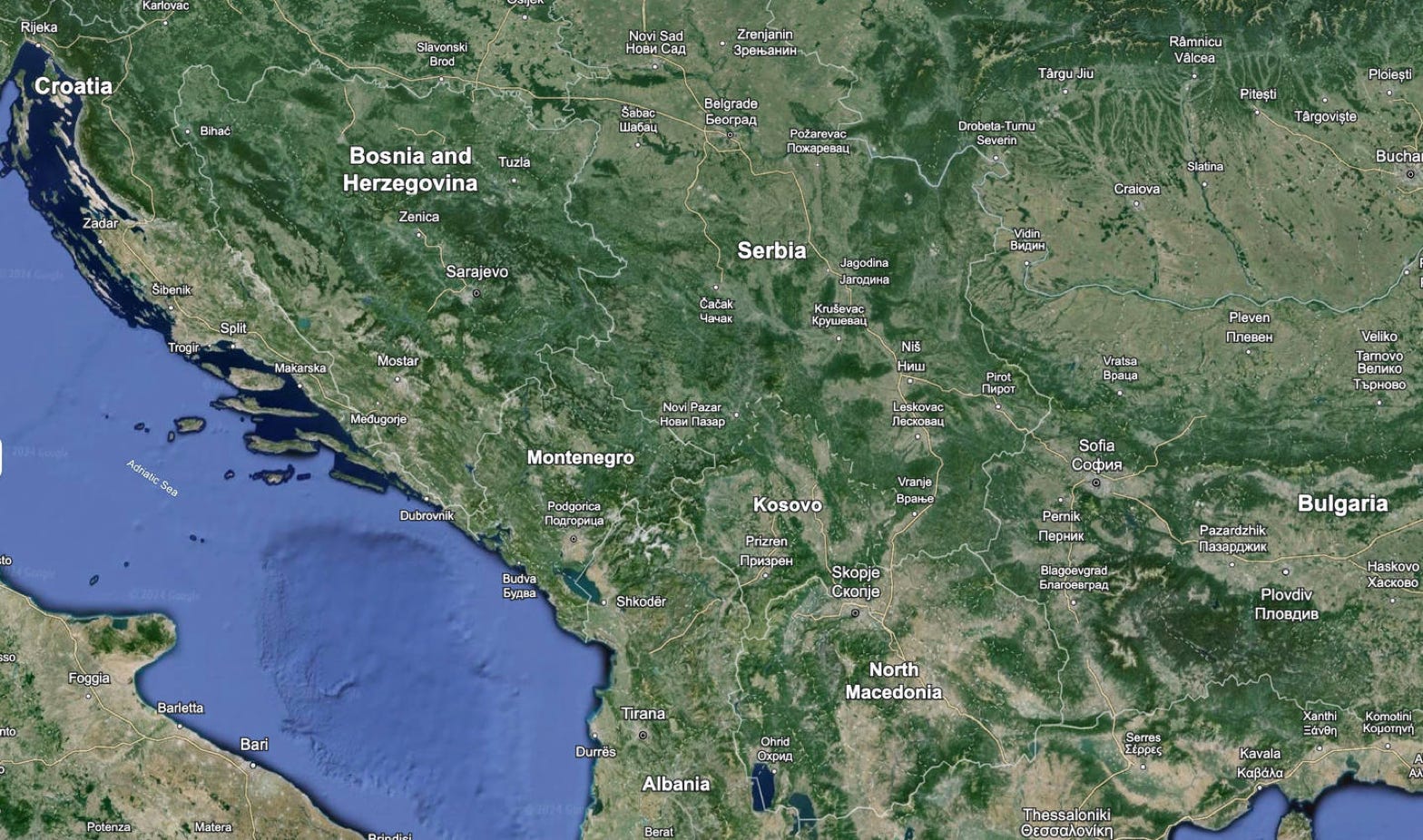
The potential inclusion of Kosovo in NATO is one of the factors contributing to Serbia and Russia's refusal to recognize Kosovo's independence. Both countries have strategic and historical reasons for their stance:
Serbia: For Serbia, Kosovo holds significant historical and cultural importance, often considered the cradle of Serbian civilization with many important Serbian Orthodox churches and monuments. The loss of Kosovo is viewed not only as a territorial loss but as a profound blow to Serbian heritage and national identity. Serbia's close cultural, religious, and political ties with Russia also influence its position on Kosovo.
Russia: Russia supports Serbia's position on Kosovo partly due to their long-standing Slavic and Orthodox Christian ties. Additionally, Russia views the situation in Kosovo within the broader context of its opposition to NATO's eastward expansion. Recognizing Kosovo could be seen as endorsing a precedent for unilateral secessionist movements and NATO's influence in what Russia considers its sphere of strategic interest.
The non-recognition by these countries is also tied to broader geopolitical strategies and their respective positions in global politics, especially concerning the West and NATO.
In many regions like Kosovo, the traditional family structure often embraces a multi-generational living arrangement where everyone from grandparents to grandchildren shares a home. Here's a breakdown of how this system operates:
Co-residence: It’s quite typical for extended families to live under one roof. This arrangement is practical, facilitating daily care and support for elderly family members by those within the household.
Cultural Reverence: High regard for the elderly is ingrained in the culture. Caring for one’s elders is considered a reciprocal responsibility, a way of honoring the care they once provided. This duty is deeply rooted in societal and sometimes religious values.
Elders Enjoy Cultural Authority Status: Despite their need for physical assistance, older adults often hold significant sway in familial decisions and are the keepers of cultural heritage. They contribute to the upbringing of grandchildren, imparting values and traditions.
Community Involvement: Beyond the immediate family, elderly care extends to the broader community. Neighbors, community leaders, and local groups often play a role in supporting seniors, particularly in rural or tight-knit areas.
Modern Challenges: While this traditional system has its merits, it also faces contemporary challenges. Urban migration, economic pressures, and the diaspora of younger generations can strain these traditional networks, leading to social isolation for many elderly individuals.
The traditional approach to elder care fosters a robust support network but must evolve to remain effective amid rapid societal and economic changes. The adaptation of these age-old practices is crucial to maintaining the well-being of the elderly population in modern contexts.
Legal Advocacy: There are elder care lawyers available in Kosovo who specialize in various legal issues affecting older adults, such as estate planning, guardianship, and protection from elder abuse. While specific listings for elder law attorneys in certain cities like Suva Reka may not be fully detailed, there are resources available to help find qualified legal professionals throughout Kosovo. You can use platforms like Lawzana to connect with law firms that meet your specific needs in elder law. Additionally, the capital city, Pristina, has a range of legal experts who specialize in elder law and can provide assistance with legal issues commonly faced by the elderly.
Before You Cheer for Kosovo Lawyers
It's generally known that legal services in Kosovo are still developing. The country has been working to improve its legal infrastructure, but access can vary significantly depending on the region, particularly between urban and rural areas. In terms of compensation received by plaintiffs in elder abuse cases in Kosovo, specific details and statistics are not readily available. This can be attributed to the relatively nascent state of Kosovo's legal system regarding specific statutes and public records on elder law. Generally, compensation would depend on the nature of the abuse, the evidence presented, and the legal provisions under Kosovo law.
When it comes to justice for parents, the availability of elder abuse attorneys for most people is probably remote at best.
Resources are likely very small for cases like medical malpractice as well.
As the country modernizes, traditional elder care will become strained and the country will need further resources and legal protections for seniors.


